
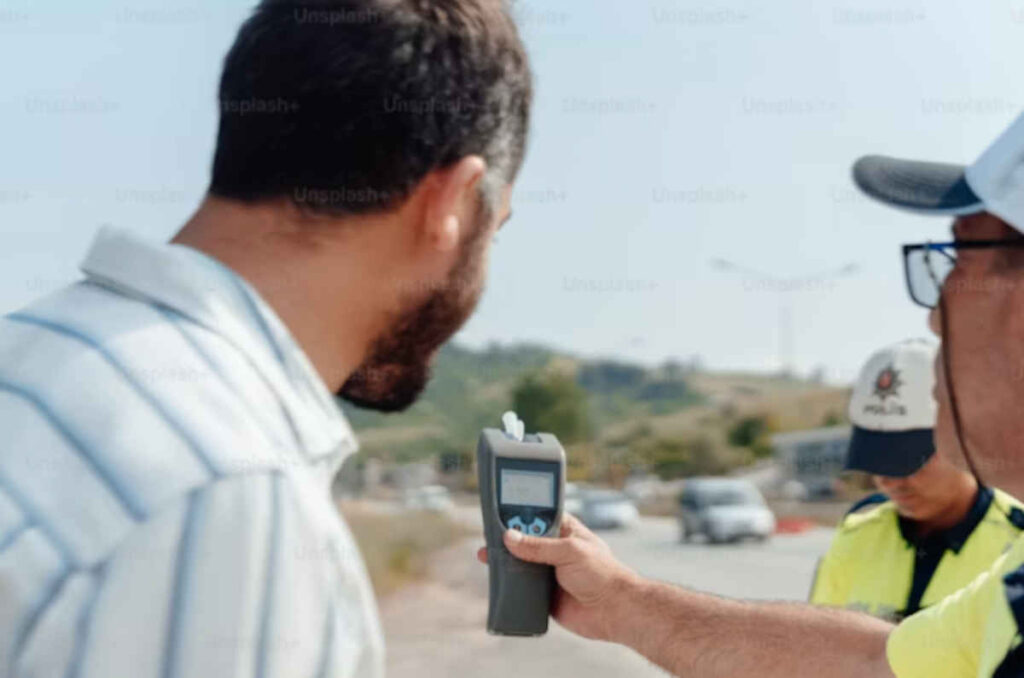
Driving with excess breath or blood alcohol is one of the most common charges dealt with in New Zealand courts.
This page sets out how the law works, what happens after a charge is laid, and what to expect if you are facing one.
The legal limits
For drivers aged 20 and over (as at July 2026):
- Breath alcohol: must not exceed 250 micrograms of alcohol per litre of breath
- Blood alcohol: must not exceed 50 milligrams of alcohol per 100 millilitres of blood
For drivers under 20, the limit is effectively zero.
Infringement or criminal charge?
Not every reading over the limit results in a criminal charge. The level of alcohol detected determines how the matter is dealt with:
- 251–400 micrograms per litre of breath, or 51–80 milligrams per 100 millilitres of blood — this is treated as an infringement offence. It results in an instant fine and demerit points, not a criminal charge.
- Over 400 micrograms per litre of breath, or over 80 milligrams per 100 millilitres of blood — this is a criminal offence and is dealt with by the court.
A lower threshold applies if you have a relevant drink-driving conviction within the previous four years, in which case the criminal threshold drops to the level that would otherwise be an infringement.
How a charge arises
Police typically use a roadside screening test first. If that indicates alcohol has been consumed, an evidential breath test or blood test follows. It is the result of that evidential test — not the roadside screening device — that is used as evidence in court.
Penalties for a criminal charge
For a first offence at the criminal level, the court can impose:
- A fine of up to $4,500
- Imprisonment of up to 3 months
- Disqualification from driving for a minimum of 6 months
Penalties increase for repeat offending or higher readings, and can include a longer term of imprisonment, higher fines, and a mandatory alcohol interlock condition on your licence once you are eligible to drive again.
Possible defences
Every case turns on its own facts, but common issues that arise in these charges include:
- Whether the breath or blood testing procedure was followed correctly
- Whether there was a lawful basis for the initial stop or requirement to test
- Whether the evidential test result is reliable
- Whether the vehicle was actually being driven, or an attempt was made to drive, within the meaning of the Act
Not every issue will apply to every case, and raising a defence does not guarantee a different outcome. An assessment of the specific circumstances is needed before deciding how to proceed.
Getting advice
If you have been charged, or are waiting to hear whether you will be, it is worth getting advice before your first court date. This is not a substitute for legal advice on your specific situation — get in touch to discuss your circumstances.